Services
Innovation & Commercialization
We know what it takes to move research out of the lab and into the market.
Early-stage companies, particularly those emerging from university research, government programs, or entrepreneur ecosystems, face a distinct challenge: the science is strong, but the business infrastructure is not yet there. Translating research into a fundable, commercially viable venture requires a different kind of expertise than what most technical founders have at hand.
Ripple brings that expertise.
We work with small, high-growth R&D companies building toward commercialization and pursuing SBIR and STTR grant funding, helping them structure compelling applications, sharpen their go-to-market strategy, and build the organizational capacity to execute. Our team includes advisors with deep agency grant review experience, on both sides of the review table, established I-Corps mentors, and executives who have built and scaled ventures from concept through commercialization.
What This Includes
- SBIR/STTR application strategy and development
- Customer discovery facilitation
- Commercialization planning and market analysis
- Fractional leadership (CEO, CFO, Strategist) for research-stage companies
- TABA vendor services
- Program design and outreach support
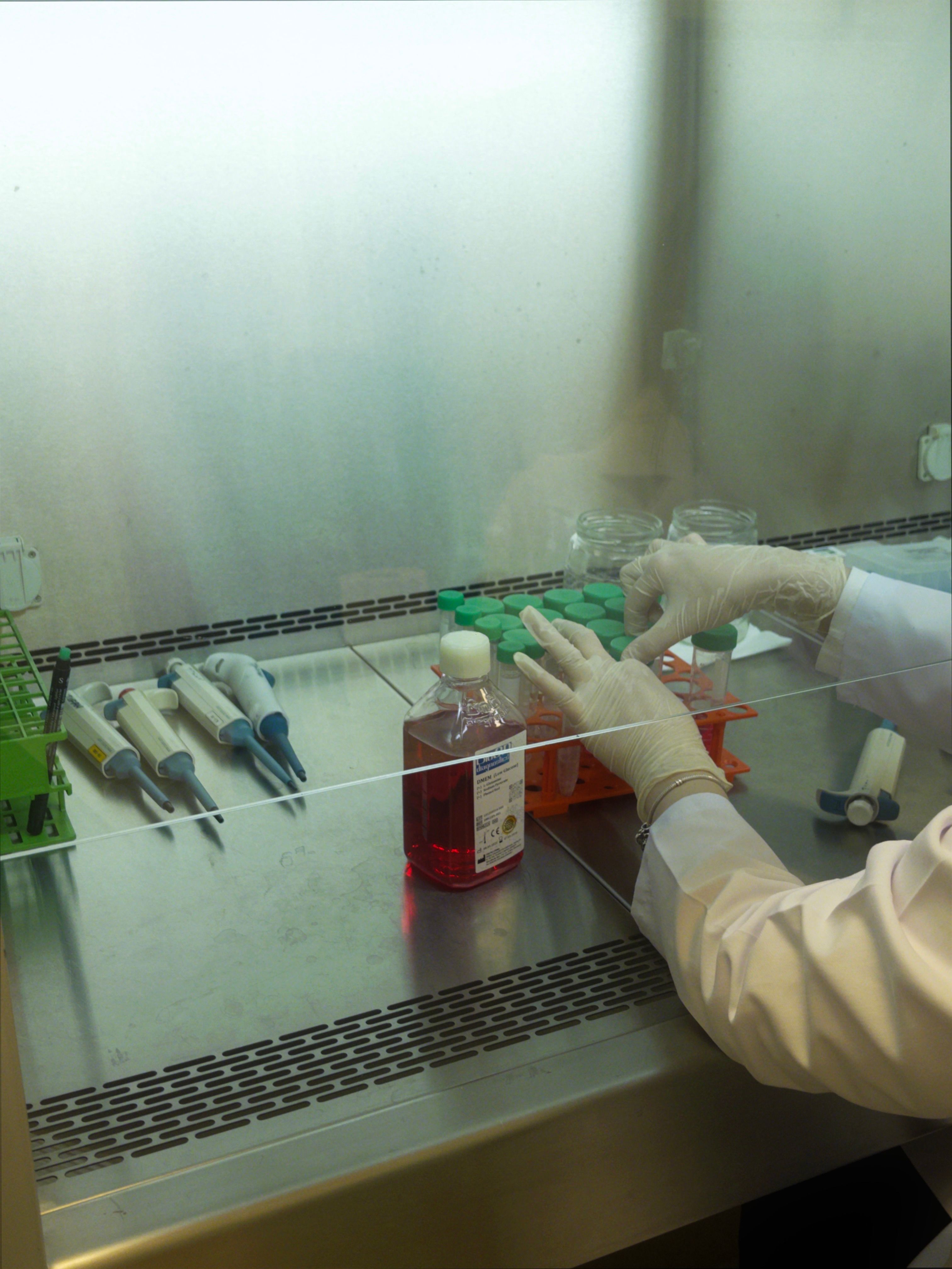
From the bench
Strong science is not yet a business.
We work alongside research teams to build the commercial case around the technology — the customer, the market, and the credible path from lab to revenue.
FAQ
SBIR, STTR & Innovation Funding
Common questions about federal innovation funding, the grant process, and how Ripple can help.
Both programs fund R&D in small businesses, but STTR requires a formal partnership with a research institution, which must perform at least 30% of the work. SBIR does not have that requirement. For university-based researchers and faculty-affiliated startups, STTR is often the right entry point. Choosing the right program is one of the first strategic decisions in the process.
Phase I awards typically range from $150,000 to $325,000 depending on the agency, and are designed to establish technical feasibility. Phase II awards generally range from $750,000 to $2 million and fund full-scale R&D and commercialization. Some agencies also offer Phase II supplements and direct-to-Phase-II pathways for companies with prior traction.
Eleven federal agencies participate: the Department of Defense, NIH/HHS, Department of Energy, NASA, NSF, USDA, Department of Commerce, Department of Transportation, Department of Education, Department of Homeland Security, and the EPA. Each agency has its own priorities, timelines, and evaluation criteria. Ripple has supported clients across all eleven.
Technical merit matters and is the solid application foundation, but reviewers are equally focused on commercial potential and the team's ability to execute. The most common reason strong science fails to get funded: an underdeveloped commercialization narrative. A compelling application clearly identifies the customer, validates the market need, and demonstrates a credible path from research to revenue.
Formally, most agencies require it only at Phase II. In practice, applications that demonstrate early commercialization thinking at Phase I score higher. Customer discovery, market sizing, and a basic go-to-market framing strengthen any Phase I submission and directly inform the Phase II plan.
Yes. Many agencies explicitly allow SBIR funds to be used for commercialization assistance, and some provide additional budget allocations above standard award limits specifically for this purpose. Working with an advisor who knows agency priorities and reviewer expectations from the inside can materially improve both application quality and award probability.
TABA stands for Technical and Business Assistance. Authorized in 2019, it provides SBIR and STTR awardees with additional funding above and beyond their standard grant award, specifically for commercialization and business development expenses that cannot otherwise be included in the standard SBIR/STTR budget.
TABA funds can be used to hire approved third-party vendors for a wide range of services: market research and validation, customer and end-user interviews, commercialization plan development, IP landscape review and strategy, regulatory consulting, fundraising strategy, manufacturing strategy, and more. Phase I awardees can receive up to $6,500; Phase II awardees up to $50,000, depending on the agency.
Ripple Technology is a TABA vendor, meaning our commercialization services can be funded directly through your SBIR or STTR award. Not all agencies implement TABA, and each has its own application process and timeline. The most important step: read your specific agency solicitation carefully before submitting, as most agencies require TABA to be requested at the time of proposal, not after the award.
From solicitation to award notification, Phase I timelines vary by agency but typically run four to nine months. Phase II timelines are longer. Most companies benefit from beginning commercialization planning and customer discovery well before the application deadline, not after.
Ready to pursue SBIR or STTR funding?
Tell us about your technology and where you are in the process. We'll help you figure out the right path forward.